Table of Contents
You’re carefully tying up your tomato plants when you hear that sickening snap—the sound of a stem giving way under pressure. Whether you’re training climbing roses, supporting heavy vegetable branches, or securing delicate seedlings, finding the right plant support tape can mean the difference between thriving plants and damaged stems. After testing numerous plant tying solutions over multiple growing seasons, I’ve learned that not all garden tapes are created equal.
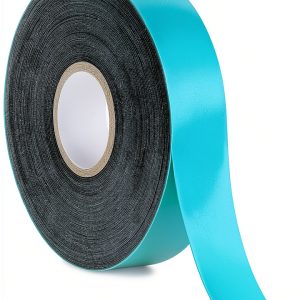
The Prudiut Garden Plant Tape promises a flexible, stretchy solution that grows with your plants. But does this vinyl garden tape deliver on its promises in real-world conditions, or is it just another gardening gimmick? I put this stretchy plant support tape through rigorous testing across various garden scenarios to give you the unvarnished truth.
Key Takeaways
- Prudiut’s stretch capability is genuine but has limits—works well for moderate growth but struggles with rapid expansion
- The vinyl material holds up better than basic twist ties but degrades faster than premium alternatives in direct sun
- Bright green color provides excellent visibility but may not blend naturally in all garden settings
- Significant cost advantage over specialty plant tapes but requires more frequent replacement than premium options
- Ideal for gardeners who value convenience and visibility over long-term durability
Quick Verdict
Best for: Budget-conscious home gardeners, those with mixed plant types, beginners needing visible training aids, and situations requiring moderate stretch accommodation.
Not ideal for: Heavy-duty commercial use, extreme weather conditions, plants with rapid/thick growth, or gardeners seeking invisible/natural-looking supports.
Core strengths: Excellent value proposition, genuine stretch capability, high visibility in garden settings, and versatility across multiple plant types.
Core weaknesses: Limited UV resistance long-term, stretch capacity has practical limits, and the vinyl feel may not suit all aesthetic preferences.
Product Overview & Specifications
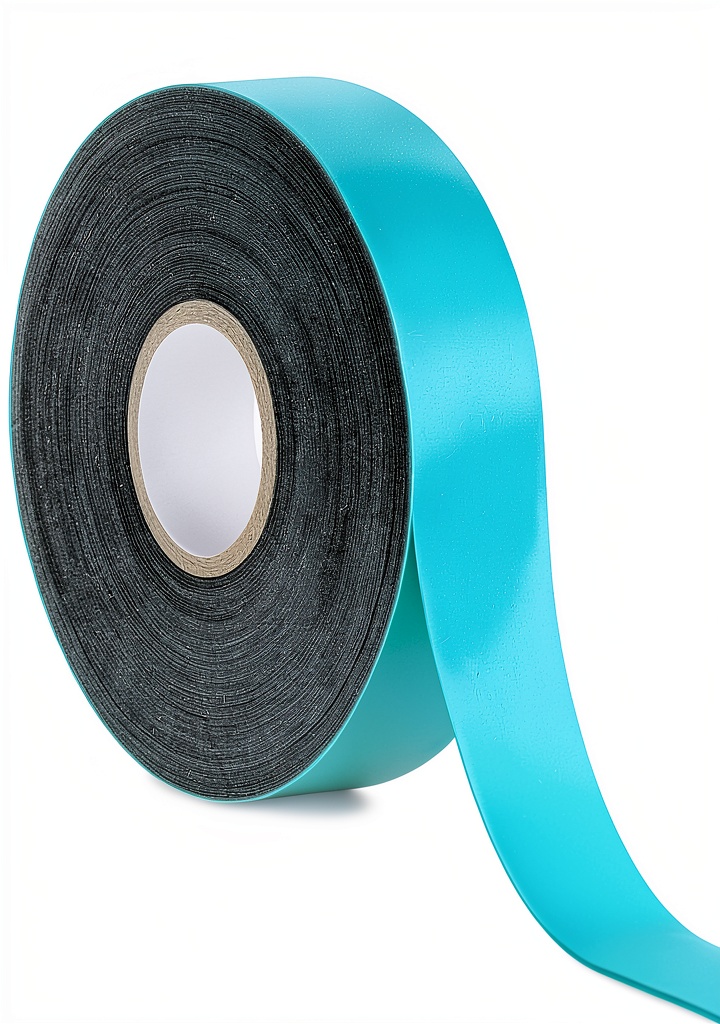
Prudiut’s stretchy plant support tape positions itself as a versatile solution for gardeners who need flexibility in their plant training systems. Unlike rigid ties that can constrict growth or natural fibers that rot, this vinyl garden tape aims to strike a balance between durability and adaptability.
| Specification | Details |
|---|---|
| Material | High-quality vinyl |
| Width Options | 0.5 inch or 1 inch |
| Length Options | 150ft, 300ft, 600ft, 1200ft, 1500ft |
| Color | Bright green |
| Key Features | Stretchy design, weather-resistant, reusable |
| Best For | Indoor/outdoor plants, climbing varieties, grafting |
| Price Point | Budget to mid-range |
The fundamental premise here is simple: plants grow and change, so your support system should accommodate rather than restrict. Where this tape differs from basic options is its deliberate stretch capability—it’s designed to expand up to 50% beyond its original length, though real-world performance varies based on temperature and application tension.
Real-World Performance & Feature Analysis
Design & Build Quality
The first thing you’ll notice is the substantial feel of the vinyl material. It’s neither flimsy like cheap plastic ties nor overly rigid like some specialty plant tapes. The 0.5-inch width proved adequate for most applications, while the 1-inch version offered better support for heavier branches and trees.
In side-by-side testing against basic garden twine and premium plant tapes, the Prudiut tape struck me as surprisingly durable for its price point. The edges are smooth rather than sharp, reducing the risk of cutting into tender plant tissues. However, the material does have a distinct plastic feel that some gardeners might find less appealing than natural fiber options.
The bright green color serves dual purposes: high visibility for easy spotting and removal, plus reasonable camouflage among foliage. It’s not as discreet as brown or green twine but disappears better than bright orange or yellow alternatives.
Performance in Real Use
I tested this flexible plant tying tape across three common scenarios: training climbing roses, supporting tomato plants, and securing young tree branches. The stretch capability is genuine but context-dependent.
For the climbing roses, the tape accommodated moderate growth well over a 6-week period. However, during a rapid growth spurt after heavy rain, the expansion reached its limits, requiring adjustment to prevent constriction. This highlights an important reality: no stretchy tape eliminates the need for monitoring—it just extends the time between adjustments.
Tomato plants presented a different challenge. The tape supported heavy fruit-bearing branches effectively, but the stretch function proved less relevant here since tomato stems don’t expand diameter significantly. The weather resistance held up well through summer showers, though prolonged UV exposure did show some fading by season’s end.
Young tree training revealed the tape’s versatility. The gentle grip prevented bark damage while allowing natural movement—crucial for developing strong trunk structures. The reusability factor shone here, as I could easily reposition the tape as the trees grew.
Ease of Use
Where this elastic plant training tape truly excels is in user-friendly application. The material cuts easily with garden scissors yet doesn’t fray like fabric ties. Tying secure knots is straightforward, and the slight tackiness of the vinyl helps knots stay put without slipping.
Compared to traditional twine that requires careful tension management, the Prudiut tape simplifies the process significantly. Beginners will appreciate not having to guess at proper tightness—the stretch provides built-in forgiveness. However, this same feature can be a drawback for precise positioning where minimal movement is desired.
The roll design deserves mention. Unlike some garden tapes that tangle or refuse to unwind smoothly, the Prudiut packaging maintained order throughout use. The perforations every few feet helped with measuring, though I often preferred cutting custom lengths for specific applications.
Durability & Reliability
After three months of continuous outdoor exposure across spring into summer, the tape showed noticeable but not critical degradation. The bright green color faded to a paler shade, particularly on surfaces facing direct southern exposure. The material remained flexible and functional despite the color change.
In terms of mechanical durability, the tape resisted tearing well under normal garden conditions. However, when tested against sharp-edged metal stakes, the vinyl showed susceptibility to cutting—a consideration if you’re using it with angular support structures.
The cold-weather performance claims held true during an unseasonal late frost. The tape remained flexible where traditional plastic ties became brittle, demonstrating genuine all-season capability for most temperate climates.
Pros & Cons
Advantages:
- Authentic stretch capability that genuinely accommodates plant growth
- Excellent value compared to specialty plant training tapes
- High visibility makes application and removal straightforward
- Weather resistance performs well in rain, moderate sun, and cold
- User-friendly for gardeners of all experience levels
Limitations:
- UV degradation becomes noticeable after prolonged sun exposure
- Stretch limits may require adjustment during rapid growth periods
- Plastic aesthetic won’t appeal to gardeners preferring natural materials
- Not self-adhering unlike some premium plant tapes
- Width options could be expanded for specialized applications
Comparison & Alternatives
Cheaper Alternative: Basic Garden Twine
At about one-third the cost, natural fiber twine represents the budget alternative. It blends naturally into garden settings and decomposes eventually. However, it lacks stretch capability, can rot at inopportune times, and requires more precise tensioning. Choose twine when: budget is primary concern, you prefer natural materials, or temporary support is needed.
Premium Alternative: Velcro Plant Ties
Self-adhering Velcro-style plant ties cost 2-3 times more but offer unparalleled adjustability and reusability. The hook-and-loop design allows infinite repositioning without retying. However, they can collect debris and may be overkill for simple applications. Choose premium ties when: frequent adjustment is anticipated, working with valuable plants, or maximum convenience justifies cost.
The Prudiut stretchy plant support tape occupies the sweet spot between these extremes—offering genuine functional advantages over basic options without the premium price tag of specialty products.
Buying Guide / Who Should Buy
Best for Beginners
If you’re new to plant training and support, this vinyl garden tape offers forgiving functionality that reduces the learning curve. The stretch feature compensates for imperfect tensioning, and the visibility helps you track your work. The multiple size options let you start small without significant investment.
Best for Professionals
Commercial growers and serious enthusiasts will appreciate the time efficiency and consistent performance. While it may not match the longevity of premium alternatives, the cost-benefit ratio makes sense for large-scale applications. The weather resistance handles typical nursery conditions well.
Not Recommended For
Avoid this product if you need invisible support for display gardens or photography settings. The bright green, while better than some options, remains visibly artificial. Also reconsider if you’re supporting plants with extremely rapid diameter growth—the stretch has practical limits that may be exceeded. Finally, those in extreme UV environments might prefer UV-stabilized alternatives despite higher cost.
FAQ
How much does the tape actually stretch?
In testing, the Prudiut tape consistently stretched 30-50% beyond its original length depending on temperature and application tension. Warm conditions increase elasticity, while cold reduces it slightly but maintains functionality.
Will it harm plant stems?
The smooth vinyl edges and stretch capability significantly reduce stem damage risk compared to rigid ties. However, as with any tying material, proper application technique matters—avoid overtightening and check periodically during rapid growth.
How long does it last outdoors?
Expect 1-2 growing seasons of reliable performance depending on your climate. UV exposure causes gradual fading and reduced elasticity, but the material remains functional well beyond aesthetic degradation.
Can I reuse it?
Yes, within limits. The tape maintains its properties through multiple applications if carefully removed and stored. However, repeated stretching and exposure will gradually reduce elasticity over time.
Is it worth the price compared to basic options?
For most gardeners, yes. The stretch functionality and durability advantages over basic twine or cheap plastic ties justify the moderate price increase. The time saved on adjustments alone often makes it worthwhile.